

Uniting for Health: Gamification in Simulation Based Nursing Education
This webinar examines how gamification can enhance simulation-based nursing education by increasing engagement, critical thinking, and learning outcomes.
Date: Wednesday, June 17th, 2026
Time: 10:00 AM CT | 6:00 PM Cairo
Gamification as an innovative strategy in simulation-based nursing education through integrating game elements into clinical learning environments to enhance student engagement, motivation, and learning outcomes. It transforms traditional simulation into interactive experiences through tools such as quizzes, competitions, virtual simulations, and scenario-based challenges, which promote active participation and critical thinking. Evidence indicates that gamification improves knowledge retention, clinical decision-making, and confidence among nursing students while fostering collaboration and problem-solving skills. Moreover, it supports individualized learning by allowing students to progress at their own pace with immediate feedback. Despite these advantages, successful implementation requires adequate institutional support, technological infrastructure, and faculty training to overcome barriers such as resistance to change and lack of standardized evaluation methods.
SESSION SPEAKERS:
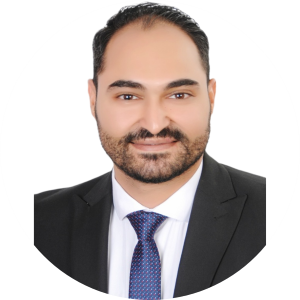
Mohamed Hashem Kotp, PhD, is an Assistant Professor of Nursing Administration at Fakeeh College for Medical Sciences (FCMS) in Jeddah, Saudi Arabia. With a doctorate from Helwan University, Egypt. His expertise encompasses academic pedagogy, quality assurance, international activities, and faculty development. As a leader in nursing education, Dr. Mohamed is dedicated to bridging the gap between clinical excellence and academic innovation by integrating Artificial Intelligence (AI), gamification, and digital leadership into nursing curricula to enhance critical thinking and patient outcomes. A prolific researcher, he has published extensively in Q1 Scopus journals and serves as an active Peer Reviewer for prestigious publications, including BMC Nursing, Frontiers, Dove Medical Press, and the Journal of Nursing Management. His international profile is further distinguished by his participation in the Erasmus+ Staff Mobility program at the Bucharest University of Economic Studies in Romania and his frequent contributions to global webinars focused on quality assurance and nursing education.